Professional Sisal / Jute / Hide in Las Vegas
Have you ever looked at a stunning natural fiber rug in a design magazine and wondered how on earth they keep it clean? Keeping these gorgeous pieces looking perfect is a unique challenge. We see a lot of these beautiful rugs come through our doors at Legacy Rug Cleaning.
These pieces definitely require a gentle touch to maintain their original charm.
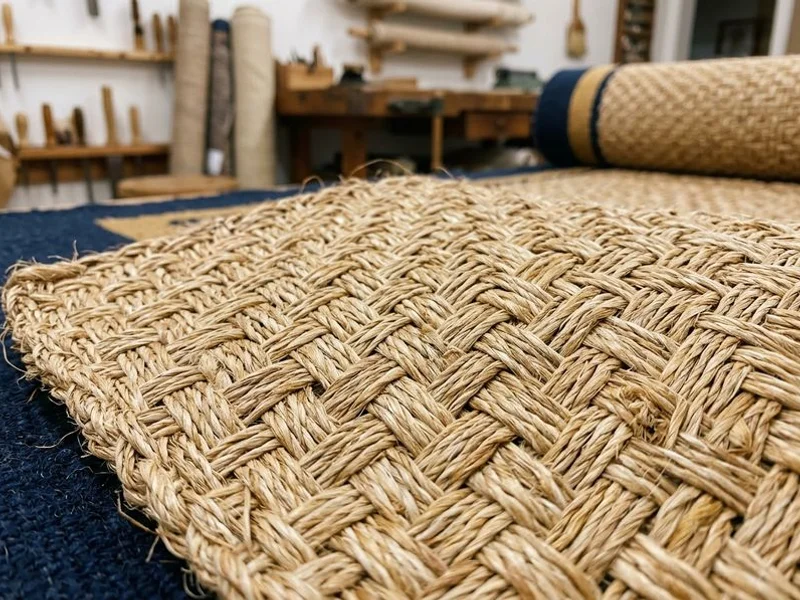
Sisal, jute, seagrass, cowhide, and leather rugs are very popular in modern US interiors right now. For proper Sisal, Jute & Hide Rug Cleaning, every single material needs its own specialized approach. The methods that work beautifully on wool will absolutely ruin a sisal rug, and wet techniques for synthetic carpets can destroy a cowhide.
Plant fibers and water
Sisal, jute, and seagrass are cellulosic plant fibers that act like giant sponges. These materials aggressively absorb water the moment a spill happens.
We see the damage this causes almost every week in our shop. Wet-washing a natural fiber rug causes a chemical reaction called cellulosic browning. Lignin, a complex organic polymer in the fibers, reacts with moisture and high pH levels to create permanent yellow stains.
Here are a few insider facts about natural fiber rug care:
- Avoid high pH: Plant fibers require acidic or neutral cleaning agents under 7.5 pH.
- Speed is critical: You must clean up liquid spills immediately to prevent permanent browning.
- Professional acidic rinses: Experts use solutions with a pH of 2 to 3 to correct minor browning.
- Dry foam works best: Very Low Moisture (VLM) techniques are the gold standard for maintenance.
Understanding Cellulosic Browning
This reaction is the primary reason why sisal and jute can’t be wet-washed using traditional steam cleaners. A 2026 industry report highlights that wicking is another major issue with wet washing. We often notice deep soil brought straight to the surface tips as moisture travels up from the base of a drying rug.
You’ll notice significant shrinkage and a severe weakening of the rug’s foundation if it gets too wet. Even moderate water exposure can permanently change the fiber’s color and stiffen its natural texture.
Our Dry Cleaning Protocol
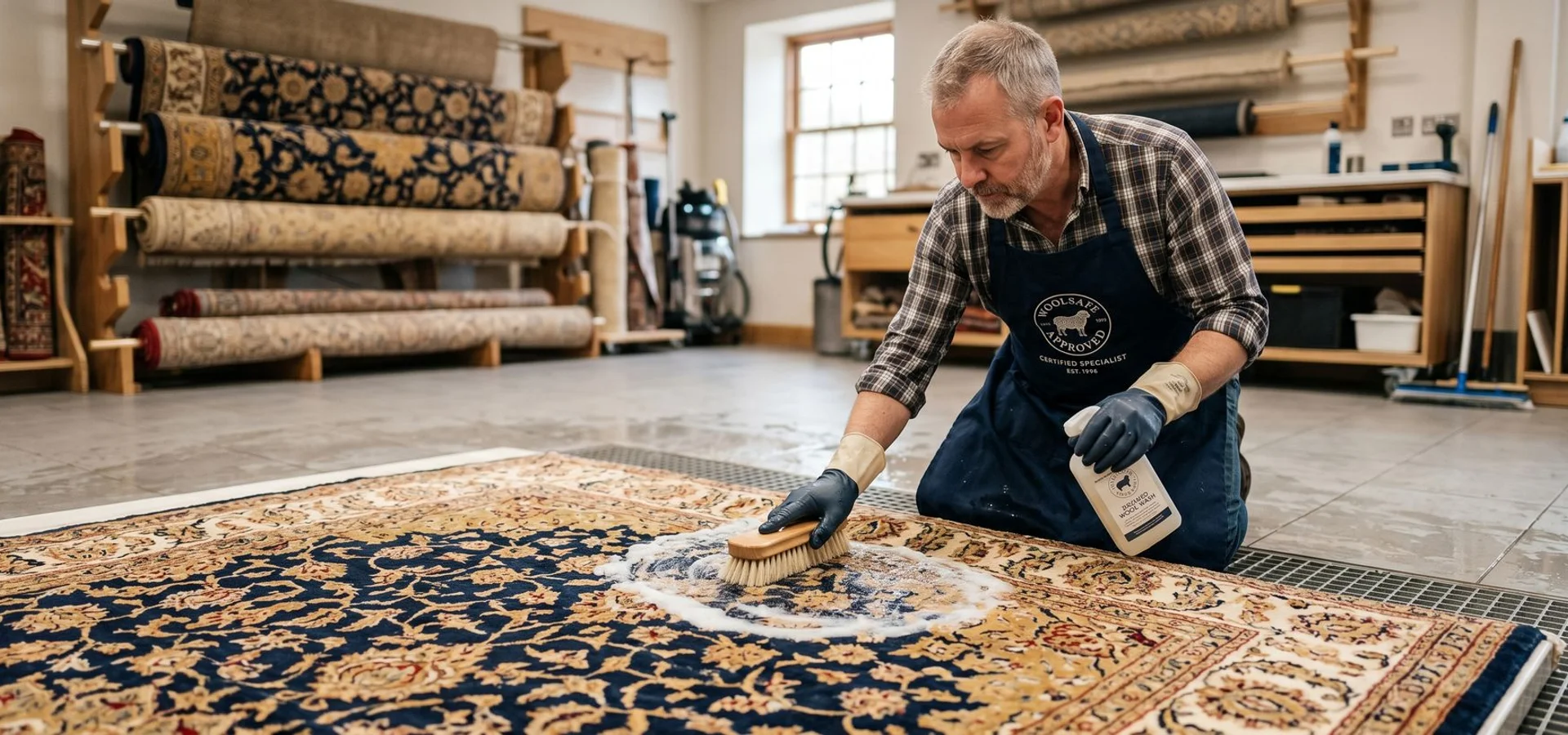
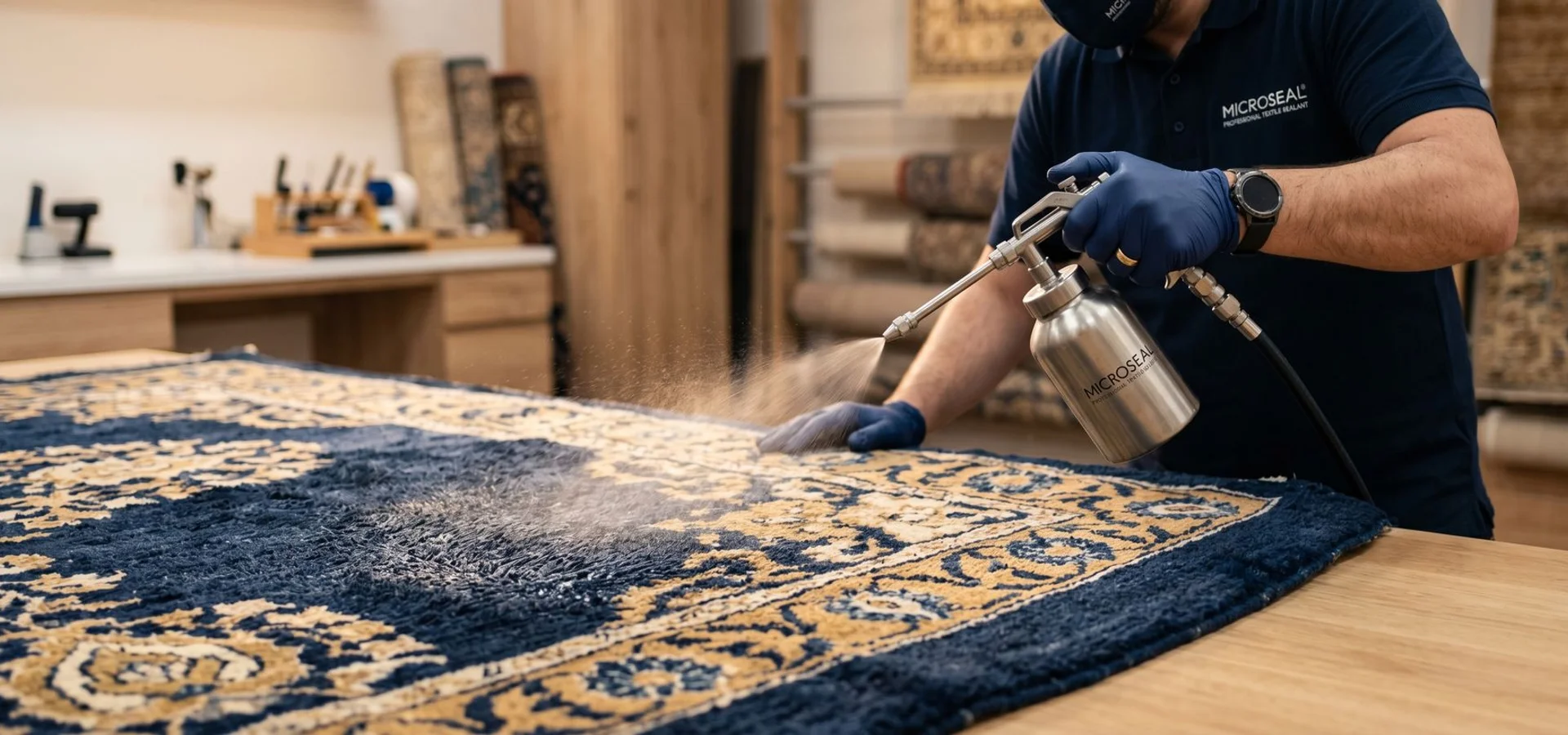
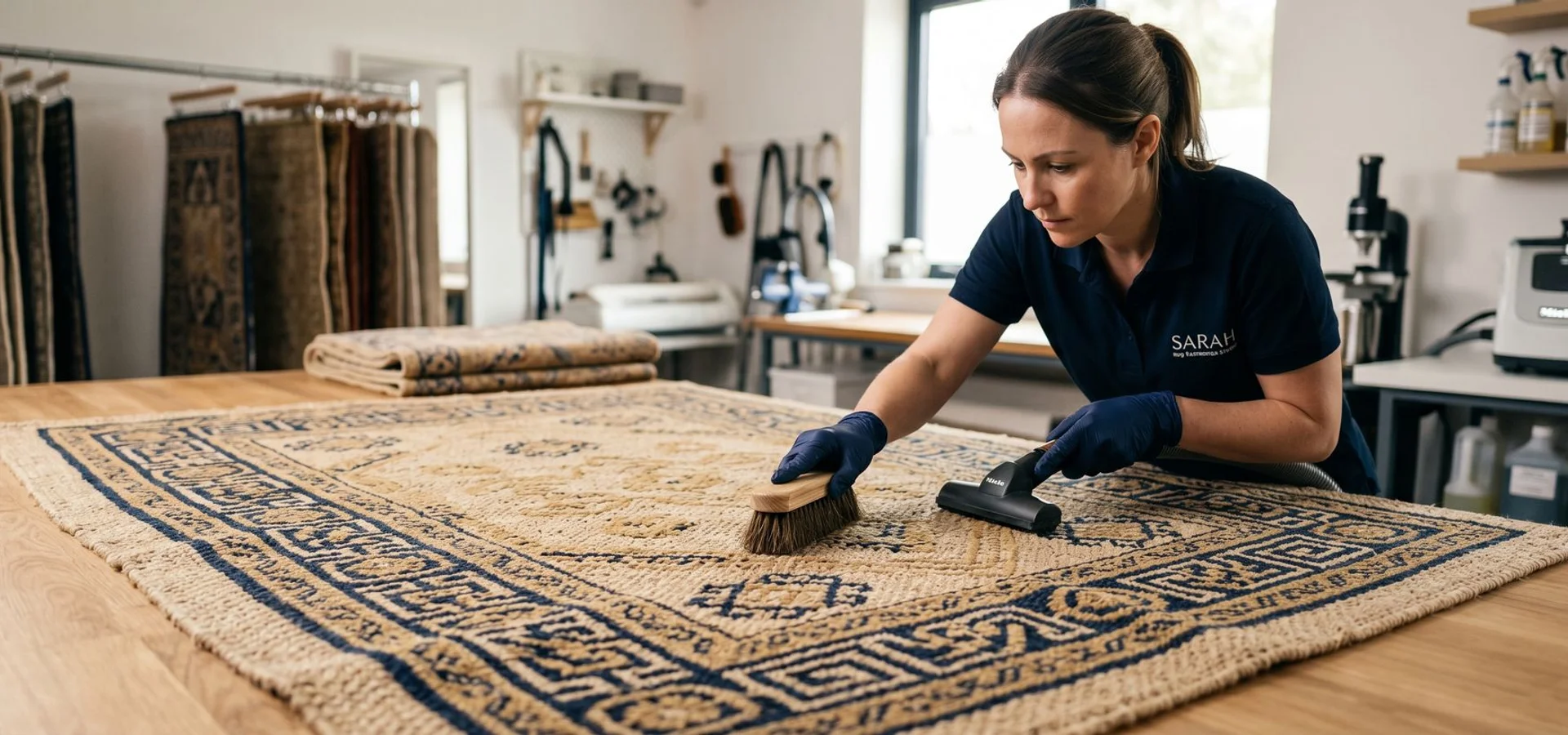
Our specialist cleaning of these rugs relies on low-moisture or completely dry methods. Dry cleaning compounds, like specialized absorbent powders, safely lift dirt without saturating the base.
We work with highly specific, low-pH chemistry designed to address common issues safely. These solutions tackle heavy traffic-lane soil, set spots, and mild browning without the dangerous moisture.
Cowhide and leather
Hide rugs belong in a completely different category from woven textiles. They’re actually tanned animal skins, meaning the cleaning methodology bears very little resemblance to standard rug care. Wet exposure is incredibly dangerous for these pieces.
You can permanently warp the leather and ruin the beautiful natural finish with too much water. Steam cleaning is completely out of the question because the heat causes immediate and irreversible shrinkage.
Restoring Natural Oils
Our approach carefully combines surface cleaning with specialized conditioning treatments. The conditioning step matters just as much as the actual cleaning process. Dry, untreated leather slowly loses its natural oils, which eventually leads to cracking and those notoriously curled edges.
We apply targeted fatliquors directly to the unfinished suede underside of the rug. This specific treatment restores flexibility without making the hair-on side greasy. Proper conditioning extends the life of a hide rug dramatically and prevents dry rot.
You should avoid using petroleum products or mineral oils on your leather items. These harsh chemicals actually speed up the drying process over time. For more specifics on our exact process, please review our detailed guide on cleaning cowhide and leather rugs.
| Care Method | Recommended Products | Time Required | Primary Benefit |
|---|---|---|---|
| Professional Restoration | Suede-side fatliquors, specialized foams | 1 to 2 weeks | Reverses curling, deep cleans, rehydrates |
| Routine DIY Maintenance | Soft bristle brush, simple vacuuming | 5 minutes weekly | Prevents embedded dirt |
| DIY Spot Cleaning | Damp cloth with mild, non-alkaline soap | Immediate action | Handles fresh, minor spills |
Honest limits
Honesty is the single most important thing we offer on natural-fiber and hide work. Some browning on sisal or jute is simply not fully reversible, even with an acidic rinse. Certain deep stains on natural plant fibers cannot be lifted completely without destroying the rug.
Some hide damage, like severe cracking from years of neglect, is permanent. We’ll always tell you exactly what to expect before any cleaning begins.
The Danger of Water on Viscose
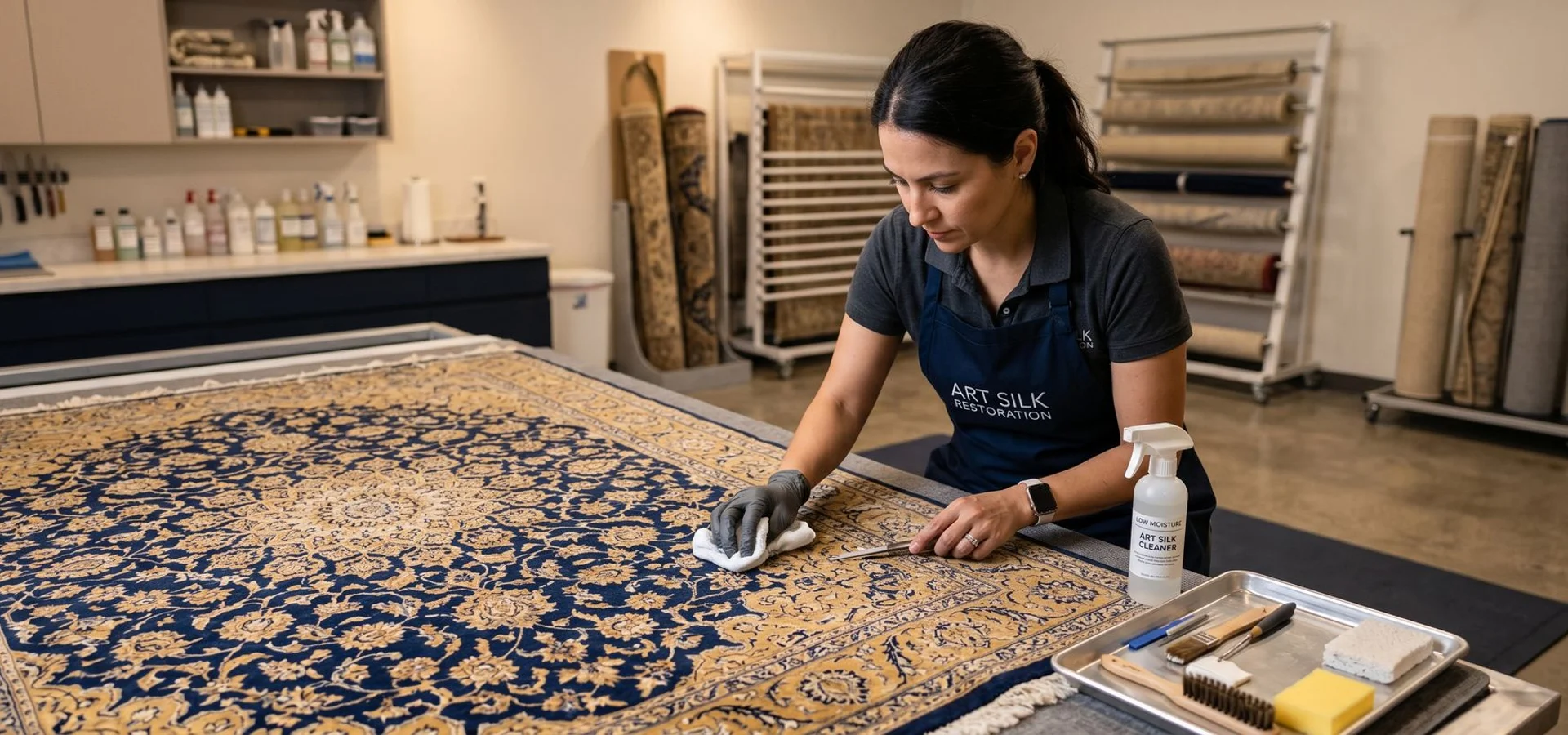
Extra caution is necessary for owners with rugs that fall into the most delicate categories. Viscose, often sold as “art silk” or “bamboo silk,” is highly sensitive to liquids. These fibers lose up to 50 percent of their structural strength when wet, making them incredibly fragile.
A simple splash of plain tap water can create a yellow patch that looks exactly like a pet urine stain. Our team has specialized protocols for these challenging materials. Low-moisture principles are required to clean these fabrics safely.
“Water is the absolute worst enemy of a viscose rug, as the cellulose fibers instantly break down and discolor upon contact.”
If you own one of these beautiful but fragile pieces, please see our viscose specialty cleaning page for more information. Taking the right precautions early on is the best way to protect your investment.
We’re ready to help you preserve your beautiful floors. Contact our office today to schedule a consultation for your specialty rugs, and experience the best Sisal, Jute & Hide Rug Cleaning available.
What You Can Expect
- Low-moisture / dry methods for plant fibers
- Browning & shrinkage prevention
- Cowhide & leather surface cleaning and conditioning
- Honest limits for each material
- Specialist chemistry per fiber
- Hide-specific conditioning treatments