Understanding Abrash: Why Color Variations Aren't Defects
Stripes or color bands in a hand-knotted rug are abrash, natural dye-lot variation that marks authenticity, not a flaw. How it differs from fading.
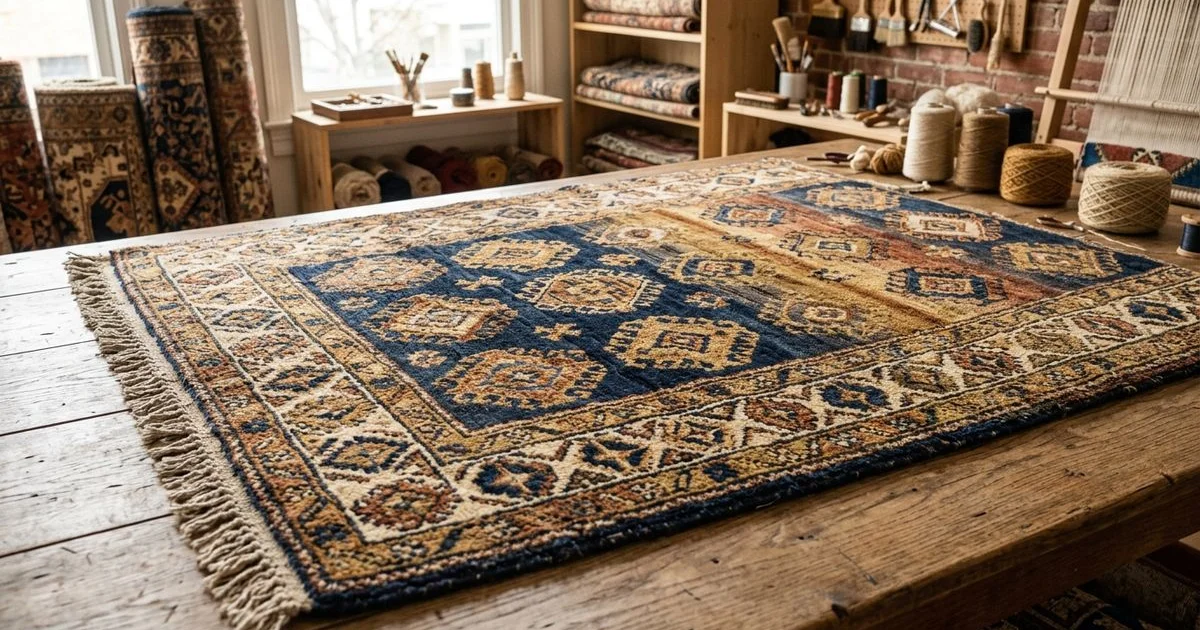
Our team at Legacy Rug Cleaning often hears from worried homeowners pointing out color stripes in a Persian rug. The initial reaction is often concern that something faded or that the piece is ruined.
This abrash rug color variation is actually a reassuring sign of quality by design. For background on rugs that often show abrash, see Oriental & Persian Rug Cleaning.
We will walk you through exactly what causes this effect and why collectors love it. You will also learn how to tell natural shading apart from actual sun damage. Let us explore the data behind these color shifts and the proper ways to care for them.
What abrash rug color variation actually is
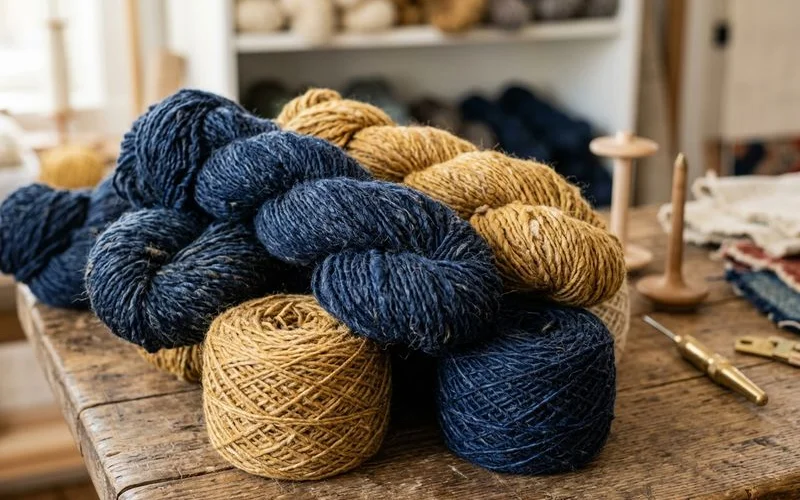
Abrash (pronounced ah-BRASH) is the natural color variation in a hand-knotted rug caused by differences between dye lots of hand-spun wool. Traditional rug-making relies on wool spun by hand and dyed in batches.
We often see the most distinct color bands in village weaves where dyes are mixed in small 20 to 30-gallon pots. City workshop carpets utilize massive 500-gallon batches that produce a much more uniform shade. Even when a skilled dyer tries to match a previous batch of natural madder root red or indigo blue, the result varies slightly. Different mineral content in the local water, the age of the dye plants, and seasonal drying conditions all change the final hue.
Let us look at the primary factors that create these unique color bands:
- Small Dye Batches: Village artisans simply cannot mix enough dye at one time to color an entire room-sized carpet.
- Hand-Spun Tension: Ghazni wool and other hand-spun fibers have varying tension levels. Loosely spun yarn absorbs far more dye than tightly spun yarn.
- Natural Materials: Plant-based dyes react heavily to minor temperature shifts during the boiling process.
When a weaver runs out of one batch of yarn partway through a rug and starts using a new batch, the new color shows up on the loom. The transition can be subtle or quite distinct. Either way, it is woven directly into the fabric as part of its character.
Why collectors prize abrash
Abrash is one of the clearest signs of authentic, traditional rug-making that collectors look for. Machine-made rugs and synthetic-dyed copies use chemically uniform yarns, so they completely lack this natural variation.
A rug with visible color shifts is essentially announcing its hand-spun, hand-dyed origin to the world. We frequently appraise tribal pieces like Gabbeh, Kazak, or Shirvan weaves where strong abrash dramatically increases the auction value. Buyers at major auction houses actively seek out these distinct horizontal bands because they prove the item is not a factory reproduction. The variation gives the field visual depth and a sense of life that perfectly uniform pieces simply cannot match.
Certain styles of rugs rely heavily on abrash to achieve their signature look and command higher prices:
- Tribal Gabbeh Rugs: These thick-pile Iranian rugs use large open fields of color that rely on abrash for visual texture.
- Caucasian Kazak Weaves: Bold geometric patterns look flat without the tonal shifts provided by small-batch dyeing.
- Vintage Oushak Carpets: The soft pastel palettes characteristic of Turkish Oushaks depend on subtle dye variations to look authentic.
Our team compares this effect to a hand-thrown ceramic pot versus a machine-pressed bowl. Slight irregularities mark the presence of a human artist and confirm true authentic craft. In a 2026 market flooded with mass-produced decor, these raw human touches are more valuable than ever. For background on caring for these pieces, see caring for antique heirloom rugs.
Distinguishing abrash from fading
Abrash and sun fading can look similar at first glance, but they have distinct patterns you can easily identify. Natural dye variation follows the straight lines of the loom, while UV damage creates irregular splotchy areas of discoloration.
We use a very specific inspection process to tell the difference between a natural dye shift and actual damage. Ultraviolet rays from the sun account for about 40 percent of all textile fading in residential homes. This UV damage breaks down the dye pigments over time, especially near south-facing windows or under skylights. Sun fading is usually softer in transition, more localized along an exposed edge, and directly corresponds to how the item has been positioned over the years.
You can perform a simple flip test at home to determine what kind of color shift you are seeing:
| Characteristic | Natural Abrash | Sun Fading |
|---|---|---|
| Location on Rug | Straight horizontal bands across the width. | Irregular patches, often near edges or windows. |
| Visibility on the Back | Clearly visible on the back foundation. | Usually only visible on the front pile. |
| Cause | Dye lot changes and wool tension differences. | UV radiation breaking down dye molecules. |
Our experts always check the back of the rug during a professional appraisal. Abrash is visible from the back as well as the front because it is tied into the very knots of the foundation. Fading is usually only visible from the top because the UV light only affects the exposed tips of the wool pile. If you want to protect your investment from actual fading, applying a Low-E UV window film is a highly effective preventative measure.
Should you “fix” abrash?
No, abrash is not a problem to fix, and trying to alter it will ruin your textile. Any attempt to correct it by dyeing the lighter sections to match the darker ones would destroy the authenticity and dramatically reduce its value.
We actively warn clients against using chemical treatments or “tea-washing” to artificially even out color bands. What professional technicians do during a specialized cleaning is preserve the natural variation exactly as it is. We start with a strict dye migration test, checking for “fugitive dyes” with a dry white cloth to see if any colors crock or transfer. This ensures that the dark horizontal stripes do not bleed into the lighter adjacent areas during the wash.
Proper care requires specific chemistry and temperature controls to keep unstable dyes locked in place:
- pH Balancing: Natural wool requires neutral or slightly acidic cleaning solutions to prevent dyes from loosening.
- Temperature Control: High heat causes natural dyes to bleed rapidly, so cool water washing is mandatory.
- Dye Stabilizers: Specialized stabilizing solutions give technicians a safe window of time to wash the piece without color migration.
- Controlled Drying: Rapid flat drying with high-speed air movers prevents colors from running into each other while wet.
Our cleaning facility utilizes all of these safeguards to ensure your heirloom returns with its original character perfectly intact. If you are worried about a specific abrash rug color variation, bring it in for a free inspection. We can tell you whether you are looking at natural shading, sun damage, or something else entirely, and recommend the right approach.
Related Rug Care Guides
How Much Does Area Rug Cleaning Cost in Nevada?
Nevada area rug cleaning runs roughly $4-$12 per sq ft by fiber and condition. What drives price (urine, size, repairs) and what an estimate includes.
Hand-Knotted vs. Tufted Rugs: What Can Be Cleaned & Restored
Tufted rugs use latex backing that degrades and off-gasses; hand-knotted rugs last generations. What each can take and when restoration is worth it.
Hand-Washing vs. In-Home Steam Cleaning for Fine Rugs
Why hot-water extraction with detergent risks color bleeding, shrinkage, and dry rot in fine rugs, and when steam is acceptable vs full submersion.
How Often Should You Professionally Clean an Area Rug?
Most area rugs need professional cleaning every 1-3 years, sooner with pets, kids, or heavy traffic. Fiber-specific guidance and between-wash care.
Frequently Asked Questions
Is abrash a defect?
Will cleaning remove abrash?
How is abrash different from sun fading?
Have a Rug You'd Like Us to Look At?
Free pre-inspection, transparent quoting, and pickup across Las Vegas.
Get My Free Quote